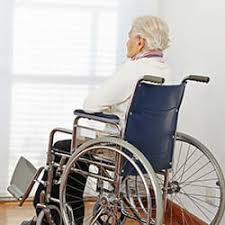
Antipsychotic Drug Overuse in Nursing Homes
by John SuthersThe Boston Globe recently published a series on the overuse of antipsychotic medications in nursing homes. Those of us who represent victims of abuse and neglect in nursing homes refer to this as a form of "chemical restraint." Many nursing homes use antipsychotic drugs to control combative behavior and agitation in nursing home residents who have not been diagnosed with a condition for which such drugs are recommended.
The Boston Globe's investigation yielded a number of findings including:
(1) In 21% of U.S. nursing homes for the year 2010, at least one-fourth of the residents received antipsychotic medications despite the fact that they did not have illnesses or conditions for which such medications are prescribed.
(2) The use of antipsychotic medications was linked to staffing levels within the nursing homes. The facilities that used antipsychotic drugs for conditions not recommended by physicians had lower staffing levels than facilities who did not rely heavily on the use of antipsychotic medications.
(3) The use of antipsychotic medications by nursing homes tended to correlate with facilities whose residents were deemed by the nurses and staff to have behavioral problems, such as being verbally or physically abusive to staff, resisting care, or wandering.
Antipsychotic drugs are typically used to treat some of the most severe mental illnesses, such as schizophrenia. They are powerful sedatives with potentially harmful side effects. The U.S. Food & Drug Administration (FDA) has issued so-called "black box warnings" about the dangers of giving antipsychotic medications to patients with dementia or Alzheimer's disease. These drugs can increase the risk of infections and cardiovascular complications in elderly individuals. Additionally, they can cause a sudden drop in blood pressure, dizziness, and blurred vision, any of which can lead to falls and serious, fall-related injuries.
Antipsychotic drugs are overprescribed in nursing homes because the nurses and staff either don't have the time to deal with a resident's behavioral problem, or they don't take the time to investigate the underlying cause of a resident's combative behavior. A resident with Alzheimer's or dementia, for example, can become confused, frightened or anxious simply because of a change in their environment. By redirecting these residents to an area or environment that is more familiar or comforting to them, the anxiety or combative behavior can often be lessened or eliminated. However, it can take longer to redirect the resident than it takes to administer a sedative or antipsychotic drug that will knock the resident out for hours at a time.
Efforts are underway to encourage nursing homes to care for residents with Alzheimer's or dementia without resorting to the use of antipsychotic medications. Nursing homes are encouraged to have lots of activities and try various types of interventions rather than using the quick fix of prescribing an antipsychotic. Federal regulations that govern nursing homes provide inspectors the authority to issue citations, known as "deficiencies," if nursing homes are found to have engaged in "unnecessary medication use." Additionally, federal regulations require nursing homes to try to gradually reduce the resident's dose of antipsychotic drugs at least once a year, but facilities sometimes neglect to do so.
If you believe that a loved one in a nursing home is being given unnecessary antipsychotic medications or is being overmedicated, you should ask for a list of all medications that are being administered to the resident and the doses. A simple internet search or a review of sources commonly found in public libraries, such as the Physician's Desk Reference, will provide you with the information you need regarding the medication, including what it is used for, the recommended dose, and potential side-effects. If you believe that the administration of antipsychotic drugs is causing or contributing to a decline in the resident's condition, report your concerns to the nursing home administrator and ask to speak with the nursing home's medical director.
Continue reading "Antipsychotic Drug Overuse in Nursing Homes" »

Hospital acquired infections (HAI), also known as "healthcare-associated infections" or "nosocomial" infections, are infections that patients get while undergoing medical treatment in healthcare facilities. They are infections that are not present and without evidence of incubation at the time the patient is admitted to a healthcare facility. Most infections that become clinically evident after 48 hours of a patient's hospitalization are considered hospital acquired. These infections occur in all types of medical facilities, including hospitals, outpatient surgical and care centers, and long-term care facilities, such as nursing homes and rehabilitation centers.
As our population continues to age, most of us will eventually face the prospect of placing a loved one into institutional care. Traditionally that has meant a nursing home. In the last ten to fifteen years, however, the growth of the assisted living industry has created an alternative to nursing home placement. So which is right for you and your family?
Manufactured by Takeda Pharmaceutical Company Limited and co-marketed in the United States by Eli Lilly and Company, Actos is a medication that is prescribed with diet changes and exercise to help regulate blood sugars for patients suffering from Type II diabetes. Prescribed in a daily 15 mg, 30 mg or 45 mg dose, Actos helps the body to be more efficient in its production, breakdown and absorption of blood sugars. When a person has too much blood sugar, the blood may become toxic to the organs, which are unable to use the sugar as fuel. Actos helps the muscles use insulin to absorb the needed sugar and keeps the liver from overproducing sugar. The Food and Drug Administration (FDA) has issued a
As reported by the 
Fatigue and lack of sleep while driving an 18 wheel tractor-trailer rig can cause accidents and deaths on the highways. Under the existing rules that govern trucking companies, these companies can compel their drivers to drive up to 11 hours in a 21 hour time period. Drivers are allowed to drive up to 88 hours in an 8 day period. Whereas most people work a 40 hour week, current rules governing truck drivers allow them to cram more than 2 weeks of work (driving) in slightly over 1 week. This inevitably results in truck drivers driving for very long periods without adequate time off to rest. That, in turn, can lead to fatigue and other symptoms caused by sleep deprivation. 65% of truck drivers have reported feeling tired or drowsy while driving. Astonishingly, 48% of truck drivers have reported that they have fallen asleep while operating an 18 wheeler. The legal weight for an 18 wheeler is 80,000 (40 tons). By comparison, the average weight of an automobile is slightly over 5,000 pounds. One can imagine the devastation that can result when an 18 wheeler weighing 80,000 pounds and being driven by a sleepy driver collides with an automobile weighing 5,000 pounds.